
Insights that go beyond the surface
ThinkNarratives explores the ideas shaping AI, technology, and health with clarity, depth, and perspective for readers who want more than headlines

Our Story
ThinkNarratives is a multi topic blog dedicated to delivering clear, insightful, and engaging content across technology, artificial intelligence, health, and digital trends. In a world flooded with...
Trending Now
Duke Effiom
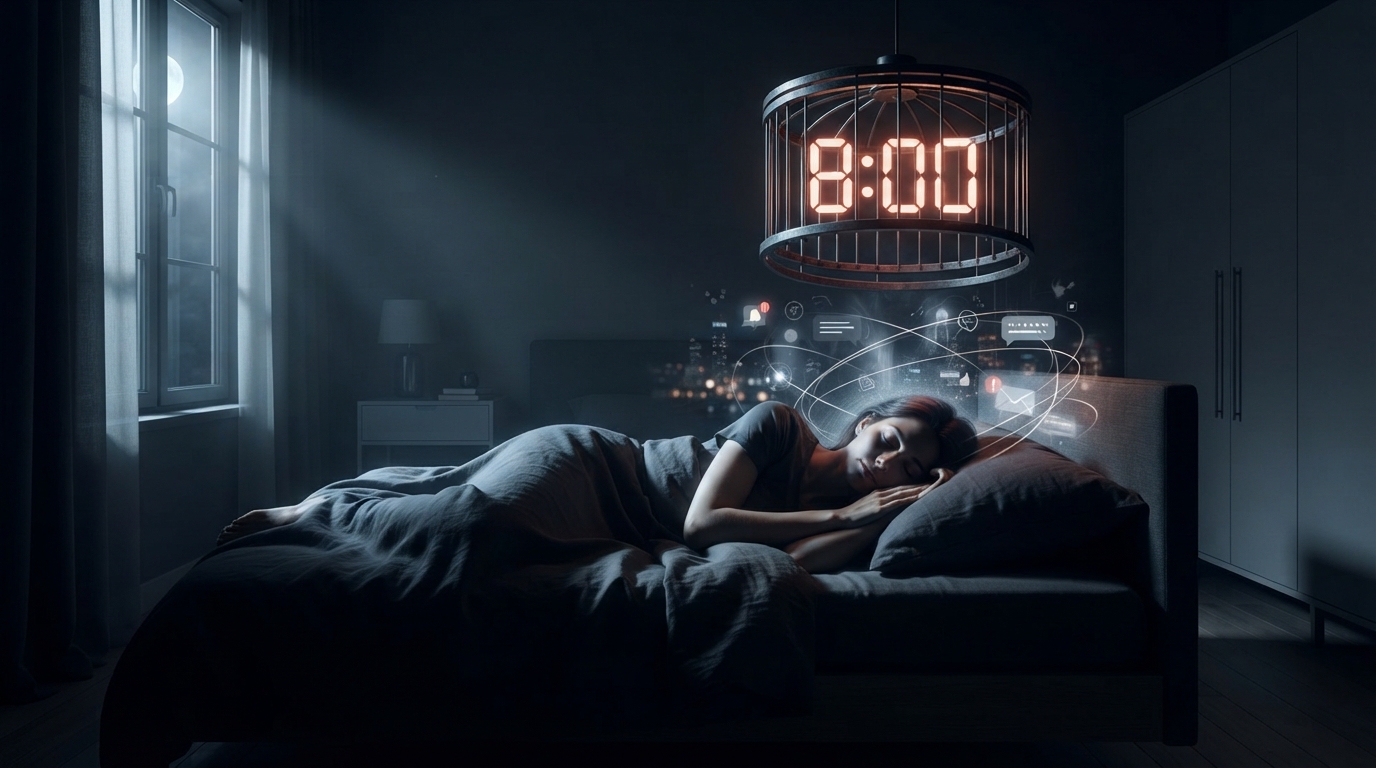
The Eight-Hour Lie: Why Sleeping Enough Isn't the Same as Being Rested
Why You Wake Up Tired Even After a Full Night of Sleep explores why getting enough hours of sleep does not always leave you feeling rested. It looks at sleep quality, fragmented sleep, inconsistent schedules, stress, evening routines, bedroom conditions, daytime habits and sleep inertia. The article also explains when persistent tiredness may be worth discussing with a healthcare professional.
Duke Effiom
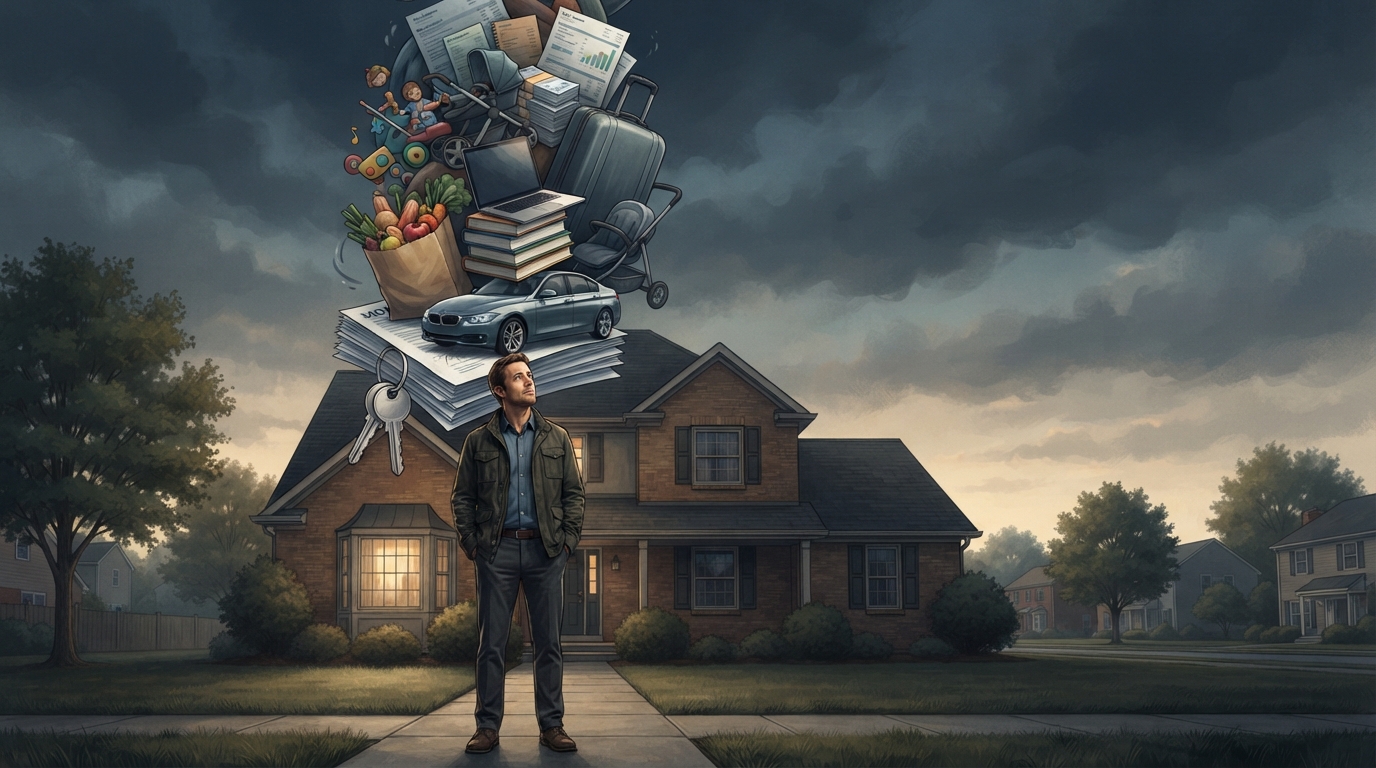
The Good Life Got Too Expensive
The traditional idea of a "good life" was never supposed to be extravagant. A decent home, stable work, family, occasional travel and some financial security were once considered ordinary milestones. Today, achieving that combination can require significantly more money. The problem is not simply that everything became expensive. The definition of a normal life expanded while the economic foundations supporting it became harder to maintain.

Duke Effiom
Middle Class Is the Worst: Too Rich to Be Poor, Too Poor to Be Rich
Millions of people are earning more than ever but still feel financially stuck. This essay explores why income creates stability, while ownership creates freedom.
Duke Effiom
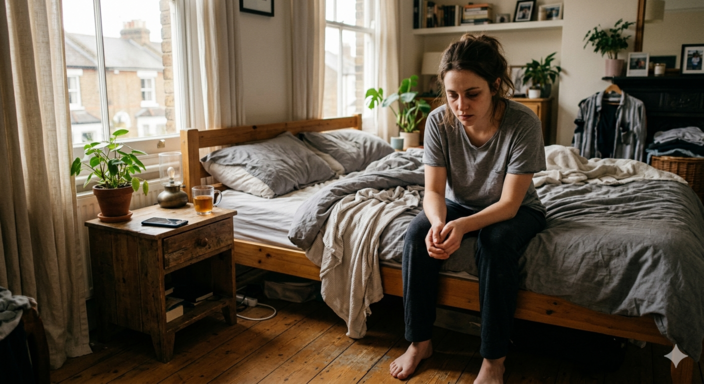
Why You Still Feel Tired After 8 Hours of Sleep
Still waking up tired after a full night of sleep? Learn how stress, screen time, poor sleep quality, and daily habits may be affecting your energy levels.

Duke Effiom
AI in 2026 The Truth About AI Hype Job Loss and the Future of Work
AI in 2026 is transforming work productivity industries and digital systems but not in the way most people think This article breaks down real research on AI adoption jobs productivity and the future
Latest Stories
Guy Hendrikson
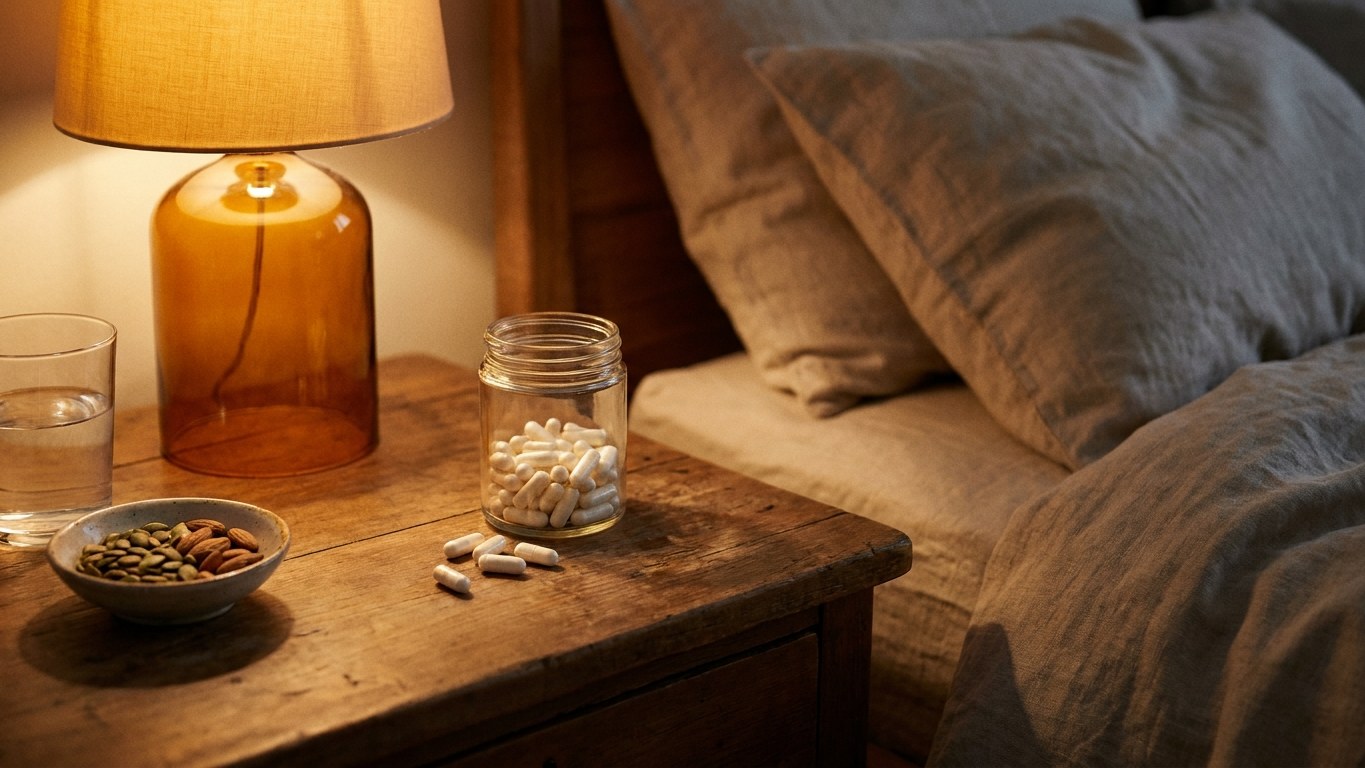
Magnesium Does Not Knock You Out. It Pays Back What Your Dinner Skipped.
Does magnesium help you sleep? A little, and mostly for people who were not getting enough of it. Trials show modest gains in how fast older adults fall asleep and in insomnia scores, with the biggest effects in people with low intake. It refills a shortfall. It is not a sedative.
Guy Hendrikson
ChatGPT Is Not Lying to You. It Was Graded to Guess.
Why does ChatGPT make things up? Because it predicts plausible text rather than checking facts, and because the tests it is trained and ranked on reward a confident guess over an honest "I don't know." The fake court cases and invented citations are the bill for that habit.
Guy Hendrikson
Burnout Is the Tiredness a Weekend Cannot Fix.
Am I burned out or just tired? Tiredness lifts after real rest. Burnout comes back within days of returning to work, and it brings cynicism and a sense of being useless at your job along with the exhaustion.
Guy Hendrikson
Trying Harder to Fall Asleep Is Why You Are Still Awake.
Why can't I fall asleep even when I'm tired? Because sleep pressure and wakefulness are separate systems. You can be exhausted and still too activated to fall asleep; trying harder adds attention and effort that keep the wake system on.
Guy Hendrikson
The Best Thing About an AI Therapist Is That It Is Awake at 3 a.m. That Is Also the Problem.
Can AI replace a therapist? Not yet, and not safely on its own. A purpose built therapy bot has beaten a waitlist in a real trial, but general chatbots still miss crisis signals and agree with things a therapist would challenge. Use it as a night shift, not a clinician.
Guy Hendrikson
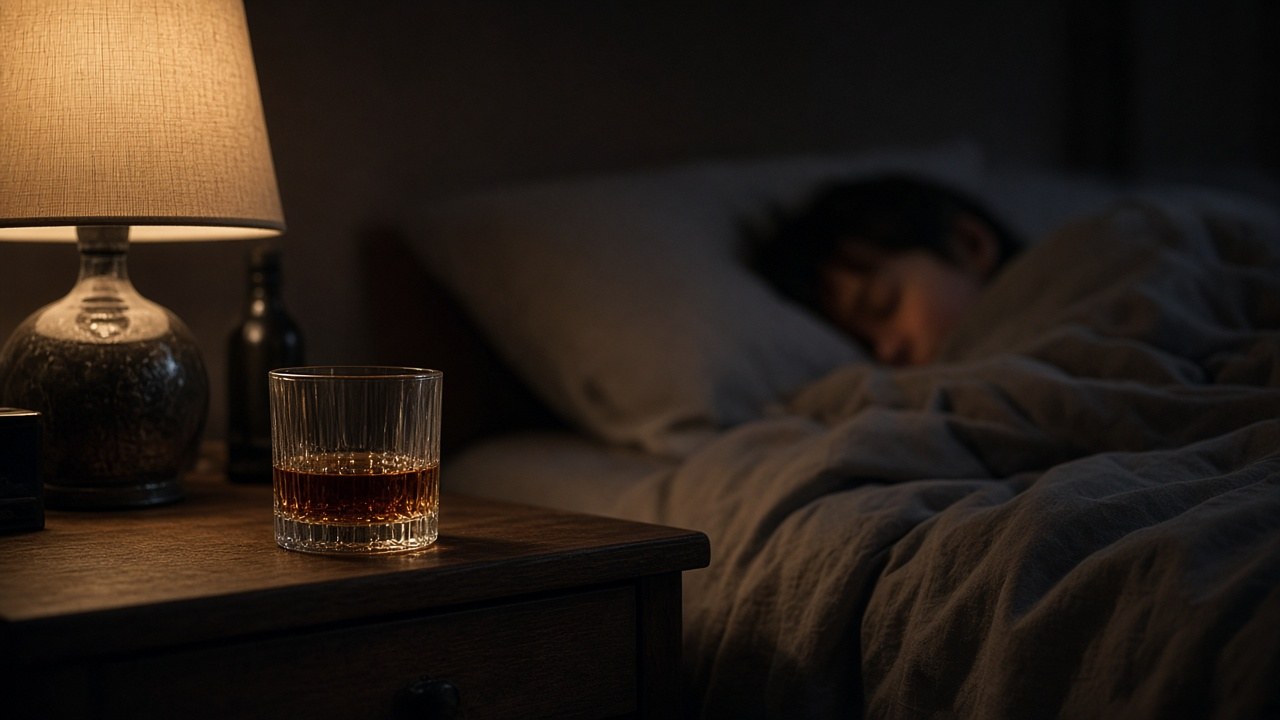
A Nightcap Is Not a Sleep Aid. It Is a Sedative With a Four Hour Battery.
Does alcohol help you sleep? It can knock you out sooner, then charges you for it later: a lighter, broken second half of the night and less REM sleep. Drink it nightly and even the knockout fades within a week, while the habit stays.
Guy Hendrikson
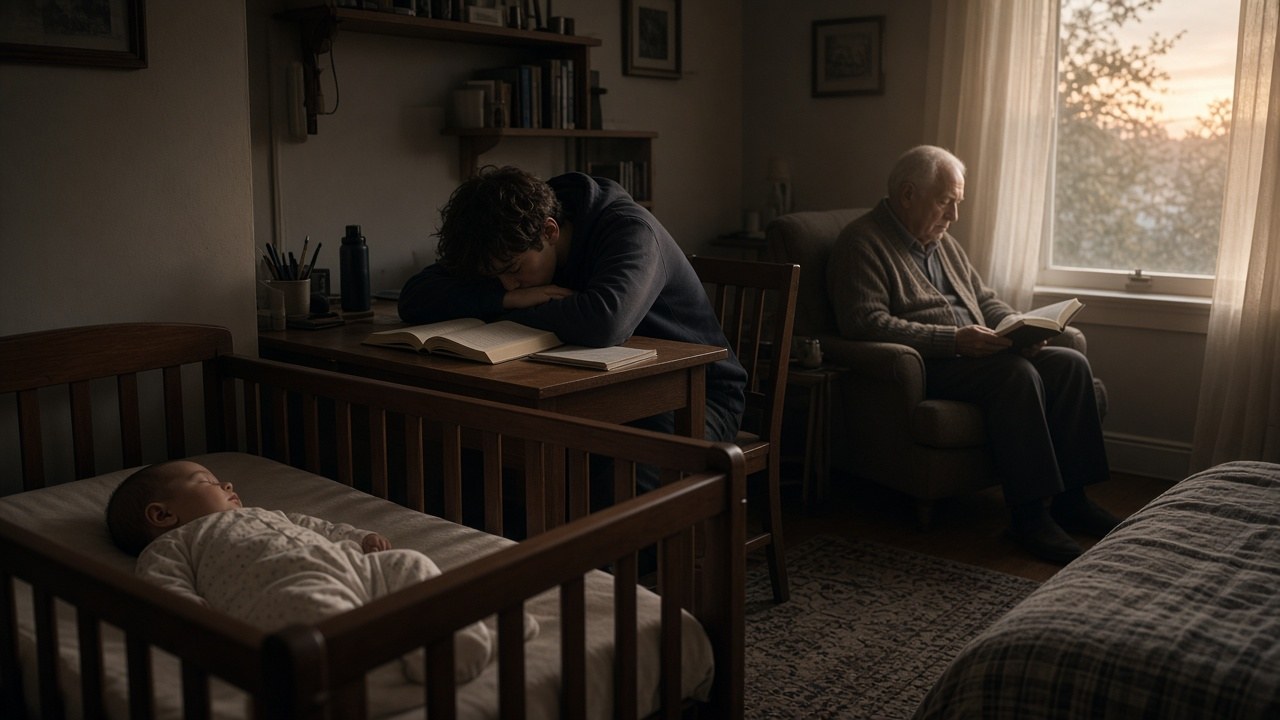
Your Sleep Need Stops Shrinking at 18. You Have Been Negotiating Ever Since.
How much sleep do you need by age? Newborns need 14 to 17 hours, teenagers 8 to 10, and adults at least 7. The chart drops fast through childhood, then runs flat for half a century, and most adults spend that half century haggling with the flat part.
Guy Hendrikson
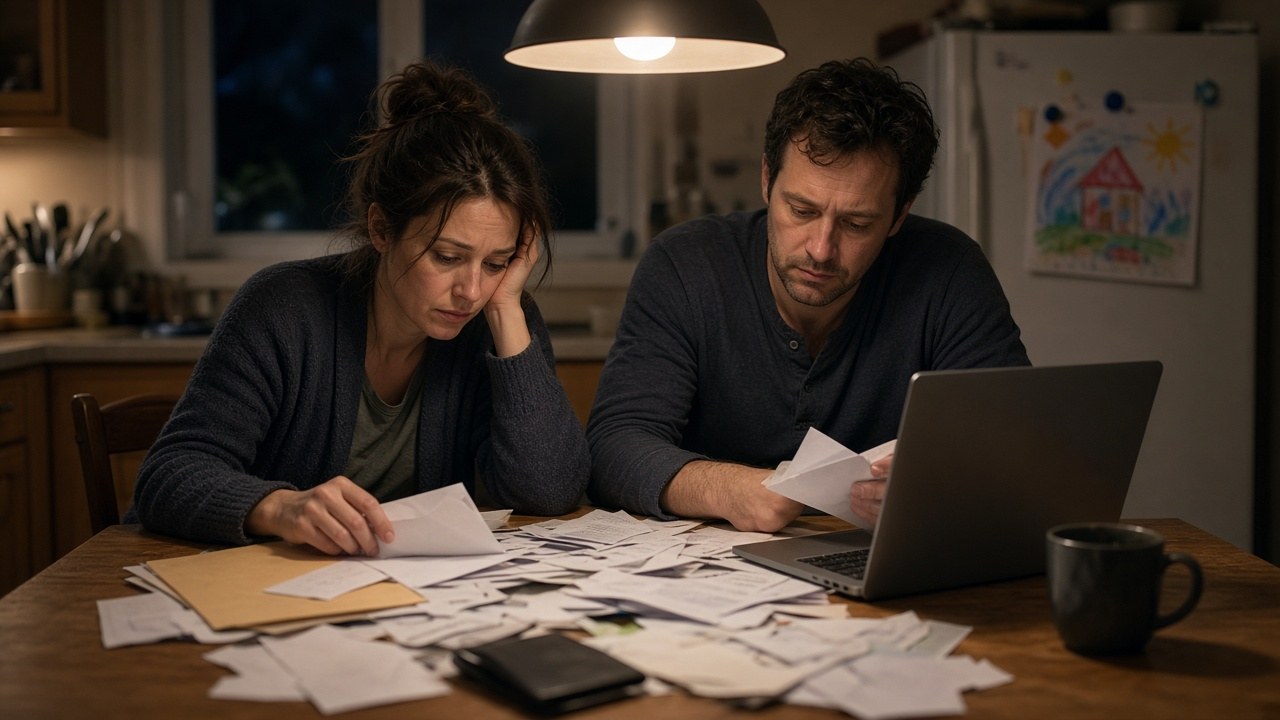
The Middle Class Is Not Bad at Saving. Its Paycheck Is Spent Before It Arrives.
Why can't the middle class save money? Because housing, health insurance, childcare and cars claim most of a middle income before the month starts, and what survives meets spending tools built to remove every pause. The worry then follows people to bed.
Guy Hendrikson
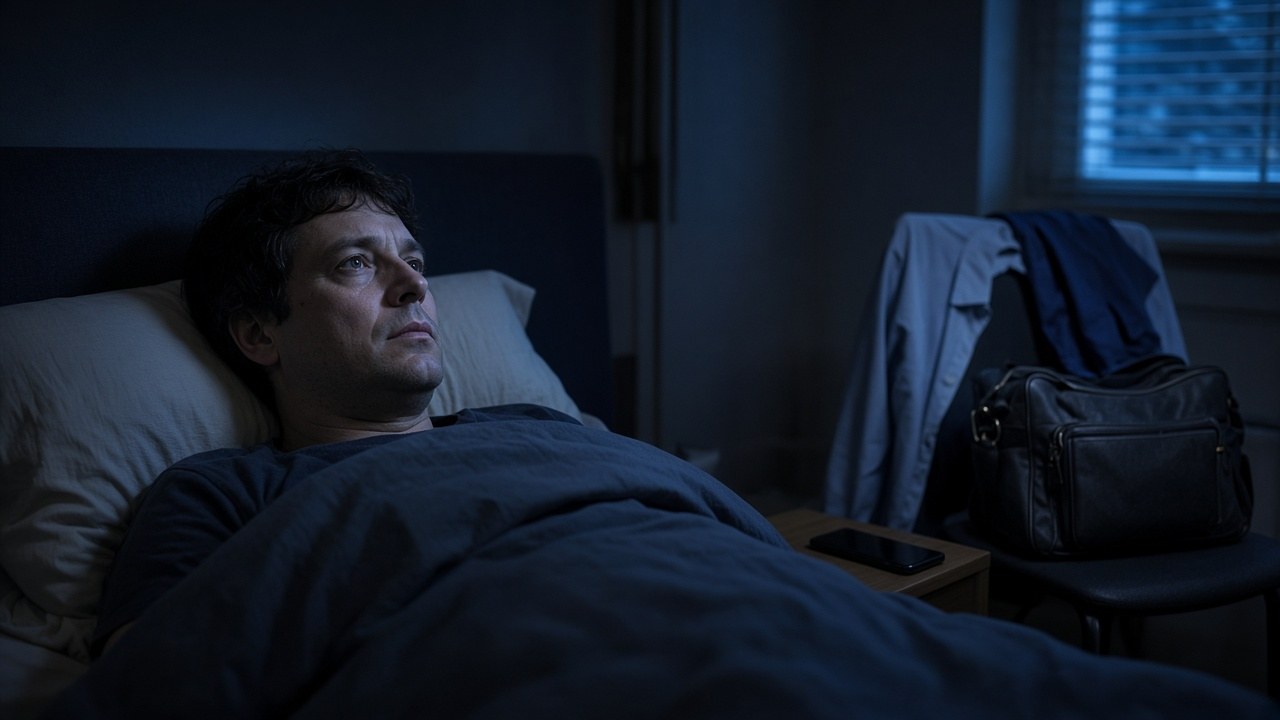
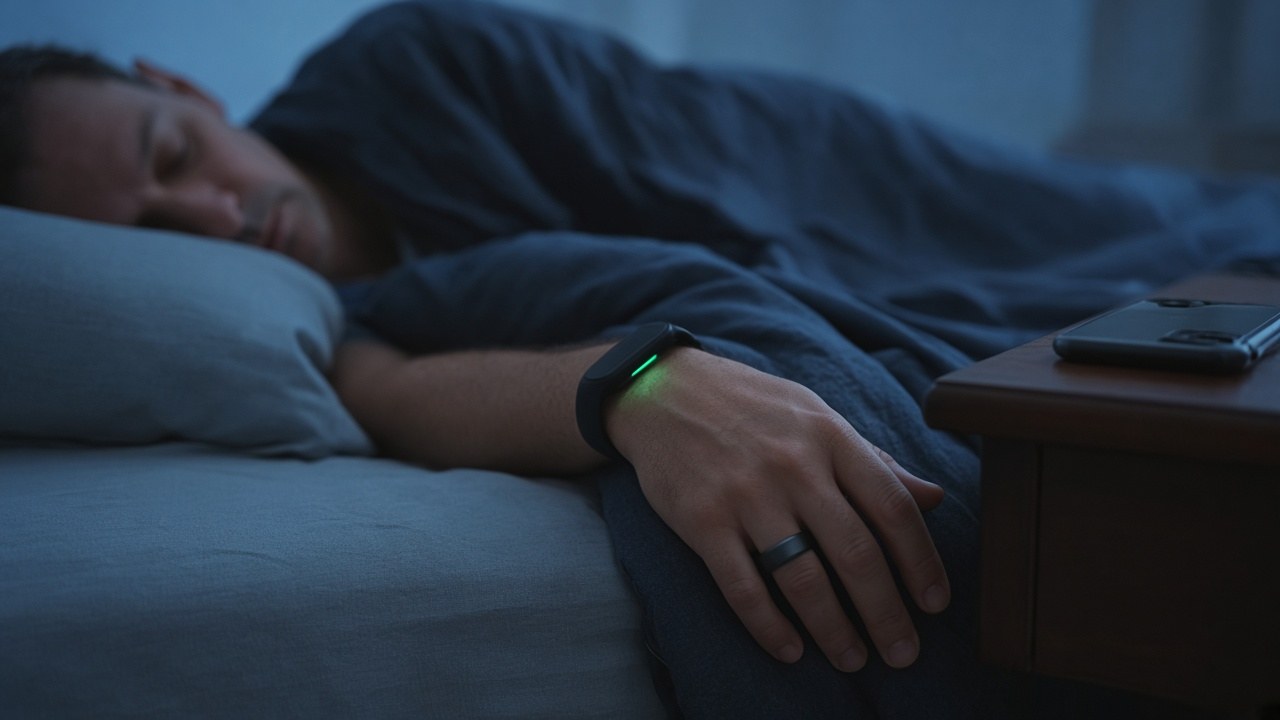
Your Sunday Night Insomnia Started on Saturday Morning
Why can't you sleep on Sunday night? Mostly because the weekend moved your body clock later and left you with too little sleep pressure, and then Monday's to do list climbed into bed with you.
Guy Hendrikson
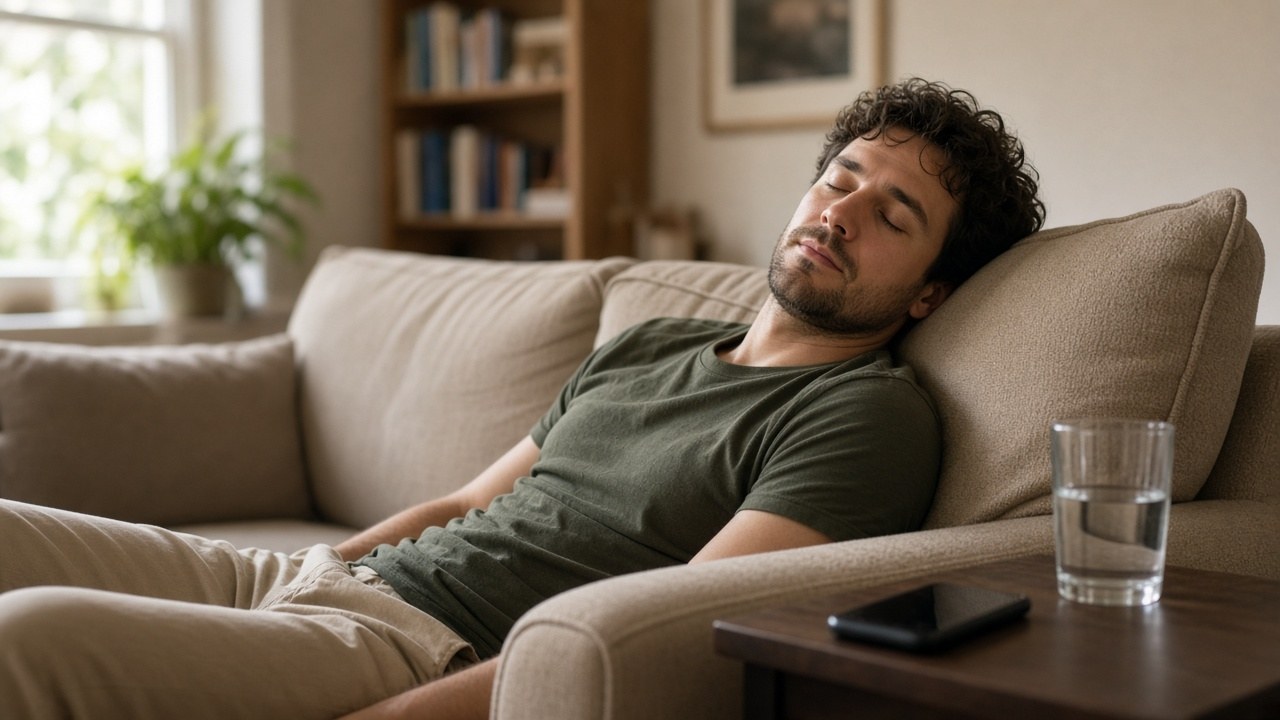
Your Sleep Tracker Is a Good Stopwatch Pretending to Be a Sleep Lab
Are AI sleep trackers accurate? At timing your night, mostly yes. At telling you what kind of sleep you got, much less, and the sleep score was never a measurement in the first place.
Guy Hendrikson
A 20 Minute Nap Is a Tool. A Daily Two Hour Nap Is a Confession.
A short, planned nap is one of the cheapest alertness tools there is. A long nap you need every day is usually your body reporting a problem that more daytime sleep cannot fix.

Guy Hendrikson
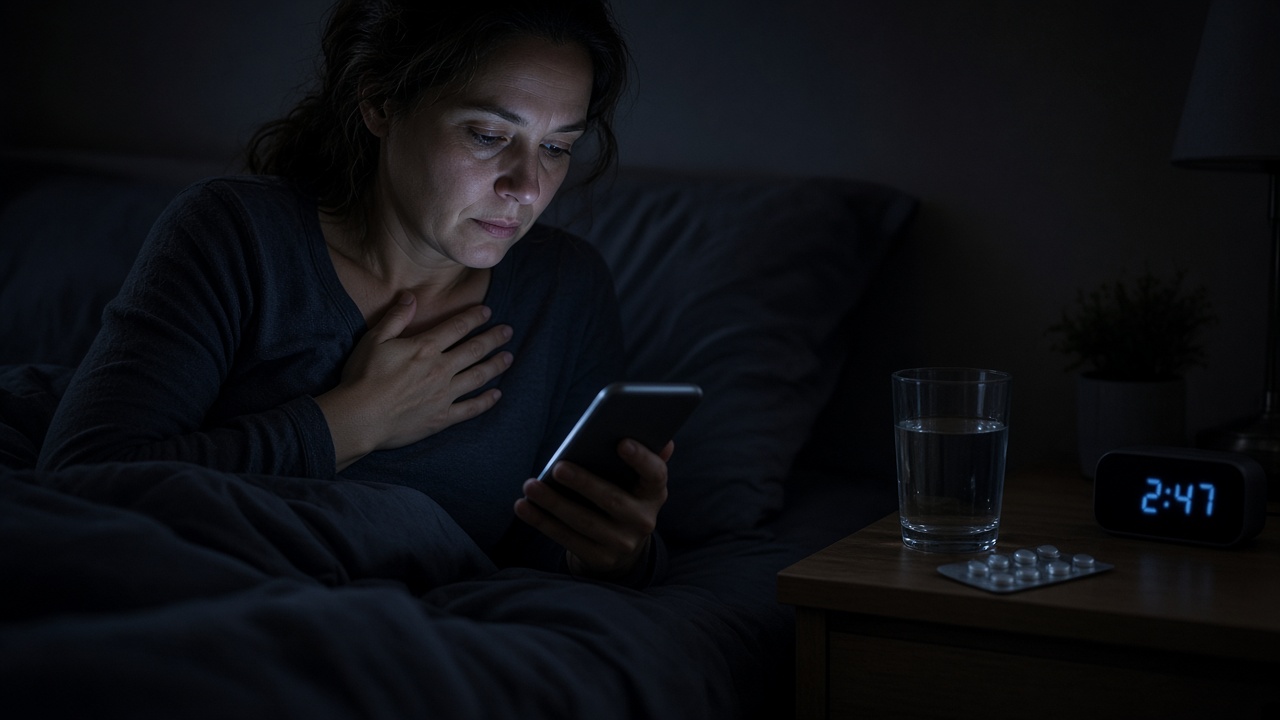
Everything Feels Expensive Because It Is. Now the Price Knows Who You Are.
Inflation cooled, but prices never came back down, and more of them are now set by software that studies you. Why the feeling will not fade, and what it is doing to your sleep.
Guy Hendrikson
ChatGPT Passed the Medical Exam. You Are Failing the Appointment.
Chatbots now ace medical knowledge tests, yet ordinary people using them pick the right condition about a third of the time. The danger sits in the conversation, not just the machine.
Guy Hendrikson
Your Phone's Blue Light Is Not Ruining Your Sleep. Staying Up Is.
Bright blue screen light delays sleep onset by only a few minutes in experiments. The hours you give the phone after you could already be asleep do the real damage.
Guy Hendrikson
The Four Day Week Is Realistic. Waiting for AI to Hand It to You Is Not.
The biggest trials say a four day week works for a lot of teams, and people sleep better on it. It works because companies cut the waste first, and the time AI saves is not coming back to you as a day off.
Guy Hendrikson
Ten Hours in Bed Will Not Fix You. The Night Was Already Broken.
Ten hours under the covers can still leave you wrecked if the night was fragmented, mistimed or chemically spoiled. Clock time is not the same thing as restorative sleep.
Guy Hendrikson
AI Will Not Make You Lazy. It Will Make Effort Optional.
Your brain is not melting. The daily workout that used to come free with hard work is disappearing, and once effort becomes a choice instead of a requirement, most of us quietly stop choosing it.
Guy Hendrikson
Waking Up at 3 a.m. Is Not the Problem. The Clock on Your Nightstand Is.
Waking at 3 a.m. is mostly how the second half of a normal night is built. The trouble starts when a two minute wake meets a glowing clock, a tired brain and a story about what it means.
Guy Hendrikson
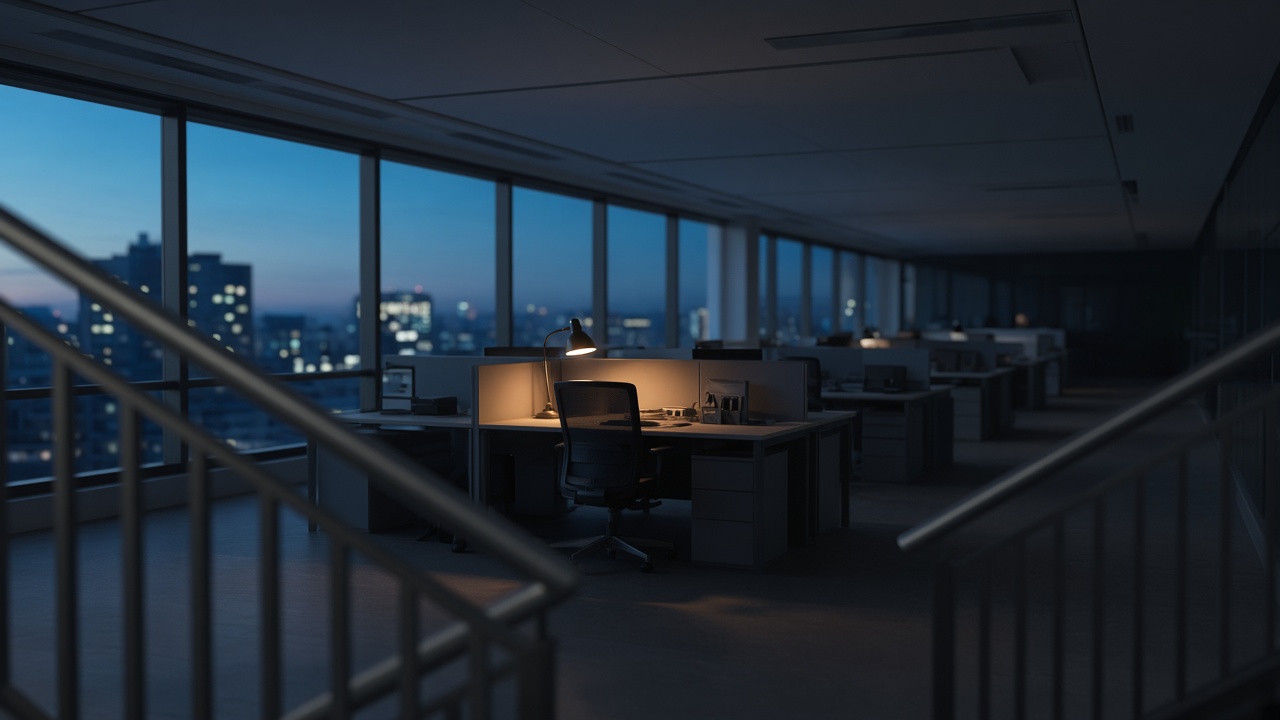
AI Will Not Take Your Job. It Is Taking the Ladder Into It.
The seat you already hold looks safer than the headlines claim. The early damage is showing up on the on-ramp: slower hiring into AI-exposed roles for young workers, not a mass emptying of occupied desks.
Guy Hendrikson
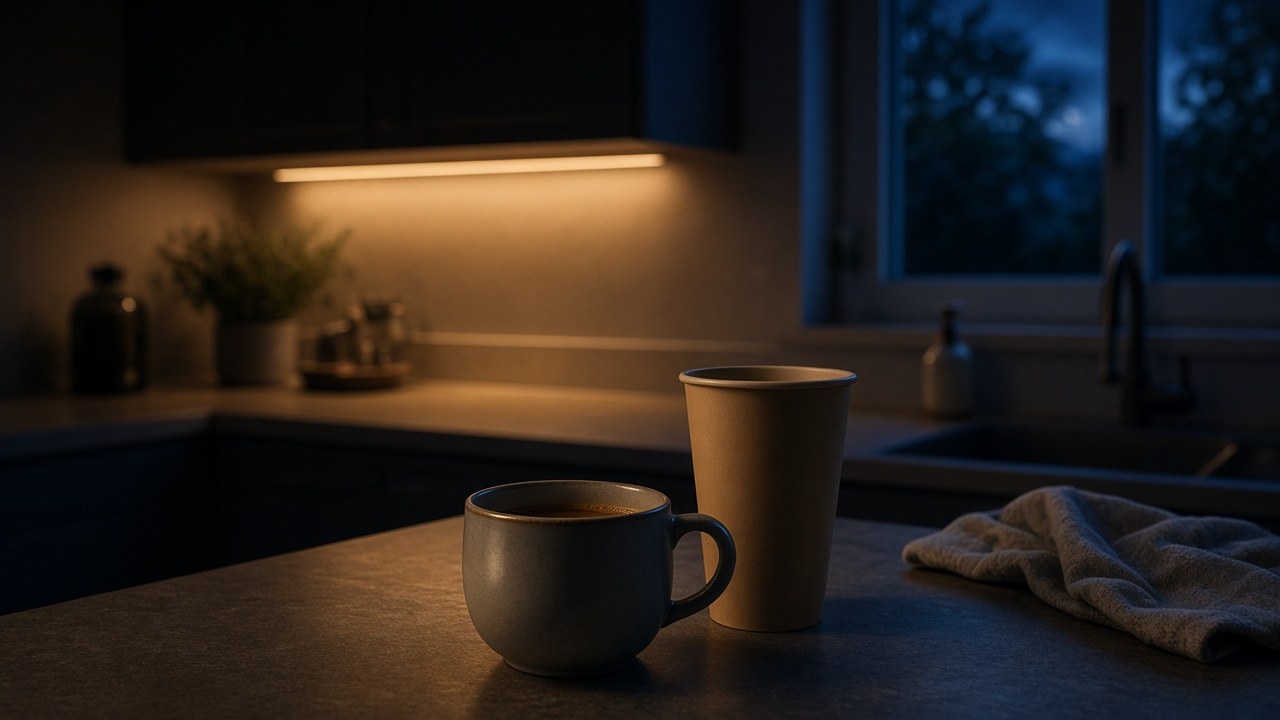
The 2 p.m. Coffee Ban Was Written for a Venti. We Applied It to Everything.
Sleep hygiene sold one clock cutoff for caffeine. The evidence that stuck came from a large dose. A 2025 trial shows 100 mg and 400 mg are not the same drink.