

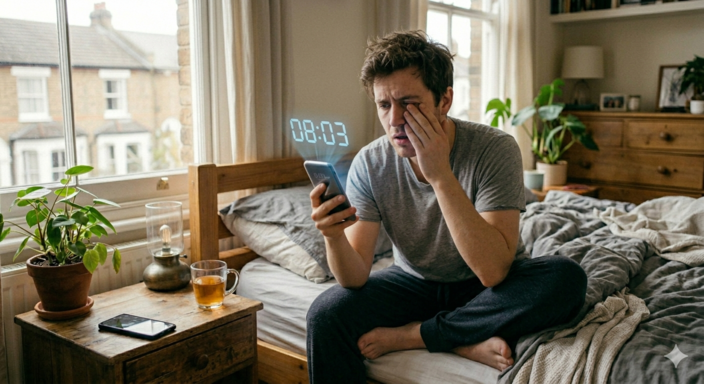
You went to bed at a reasonable time, got what should have been a full night of sleep, and still woke up feeling exhausted. By midday, your energy is already crashing, and no amount of coffee seems to fully fix it.
If this sounds familiar, you are not alone.
A surprising number of people regularly feel tired even after getting seven to nine hours of sleep. While it is easy to assume the solution is simply “sleep more,” the reality is often more complicated. Sleep quality, stress levels, daily habits, and even screen exposure can all affect how rested you actually feel.
Here is why it happens and what might be going on behind the scenes.
Sleep Quantity and Sleep Quality Are Not the Same Thing
Getting eight hours of sleep does not automatically mean your body is recovering properly.
During the night, your body cycles through different stages of sleep, including deep sleep and REM sleep, both of which play important roles in memory, recovery, and overall energy levels. If these cycles are interrupted frequently, you may technically sleep for eight hours while still waking up tired.
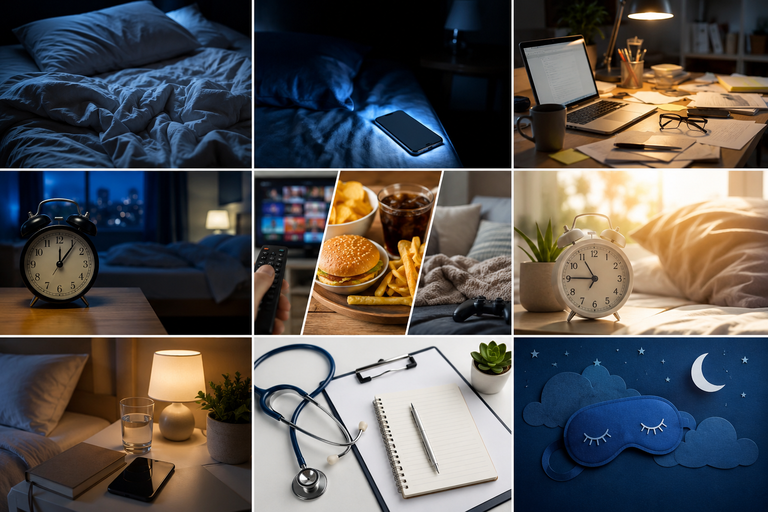
According to the Sleep Foundation, factors such as stress, alcohol, screen exposure, and inconsistent sleep schedules can reduce sleep quality even when total sleep time appears normal.
You can read more here:
Sleep Foundation sleep quality guide
Your Brain May Be Overstimulated Before Bed
One of the most common causes of poor sleep quality is overstimulation.
Many people spend the last hour of the night:
- scrolling social media
- watching videos
- answering messages
- switching between apps
- consuming large amounts of information
The brain does not instantly shut down when you put your phone away. Constant stimulation can keep your mind active long after bedtime, making sleep lighter and less restorative.
Research from Harvard Medical School has also shown that blue light exposure from screens can suppress melatonin production, the hormone that helps regulate sleep.
Reference: Harvard Health on blue light and sleep
Stress Can Exhaust You Even If You Are Not Physically Active
Modern fatigue is often mental rather than physical.
You may spend most of your day sitting down, yet still feel completely drained because your brain is constantly processing information, switching tasks, and responding to notifications.
Chronic stress keeps the body in a heightened state of alertness, which can make it harder to fully relax during sleep. Over time, this affects recovery and energy levels during the day.
The American Psychological Association notes that stress can significantly affect both sleep duration and sleep quality.
Reference: APA stress and sleep research
Inconsistent Sleep Schedules Can Disrupt Your Body Clock
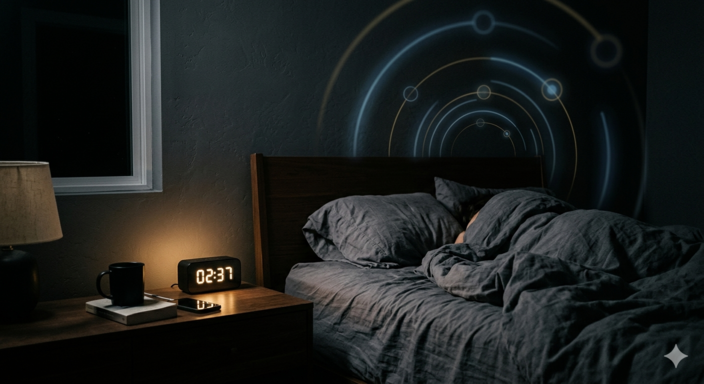
Sleeping at different times every day can confuse your internal body clock, also known as your circadian rhythm.
For example, sleeping at 10 PM during the week and 2 AM on weekends may feel harmless, but it can make it harder for your body to maintain consistent recovery patterns.
Researchers sometimes refer to this as “social jet lag,” because the body experiences similar disruption to changing time zones frequently.
The concept has been widely studied in sleep research and is associated with fatigue, reduced concentration, and lower sleep quality.
Reference: Sleep Foundation circadian rhythm overview
Daily Habits Also Affect Energy More Than People Realize
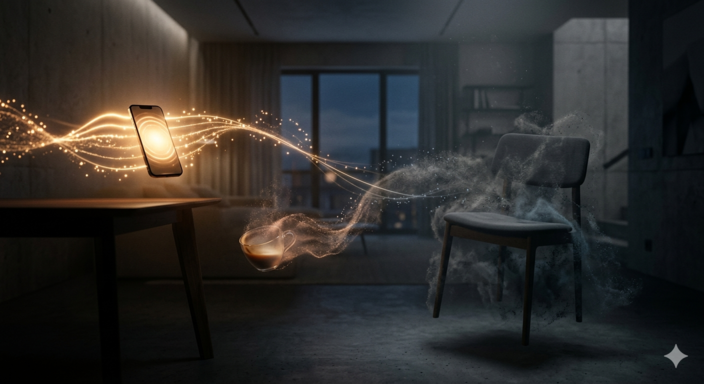
Low energy is not always directly caused by sleep itself.
Other lifestyle habits can quietly contribute to fatigue, including:
- low physical activity
- dehydration
- poor diet quality
- lack of sunlight exposure
- excessive caffeine intake
- prolonged screen time
These factors affect energy gradually, which is why many people overlook them.
According to the Centers for Disease Control and Prevention, regular physical activity and consistent sleep habits are both strongly linked to improved sleep quality and daytime energy.
Reference: CDC sleep and health overview
Small Changes That May Help
Improving sleep quality does not always require a complete lifestyle overhaul. In many cases, small consistent changes make the biggest difference over time.
A few helpful habits include:
- reducing screen time before bed
- limiting caffeine later in the day
- keeping a more consistent sleep schedule
- getting sunlight earlier in the morning
- creating a cooler and calmer sleeping environment
- allowing time to mentally unwind before sleeping
The goal is not perfection. The goal is helping your body and mind recover more effectively.
When It Might Be Time to Seek Help

Occasional tiredness is normal, especially during stressful periods. However, persistent exhaustion despite getting enough sleep may sometimes be linked to underlying conditions such as sleep apnea, anxiety, nutritional deficiencies, or other health concerns.
If fatigue becomes severe, ongoing, or starts affecting daily life, it is important to speak with a qualified healthcare professional.
What To Remember
Feeling tired after eight hours of sleep is more common than many people realize, and the issue is often connected to sleep quality rather than sleep quantity alone.
Stress, overstimulation, inconsistent routines, and daily habits can all quietly affect how well your body recovers overnight.
Sometimes the solution is not necessarily sleeping longer. It is creating conditions that allow your brain and body to rest more deeply in the first place.